Manufacturers, engineering firms & tooling businesses
Your CAD files and engineering records could have licensing value.
Design archives like yours could be worth $200K to $2M.*
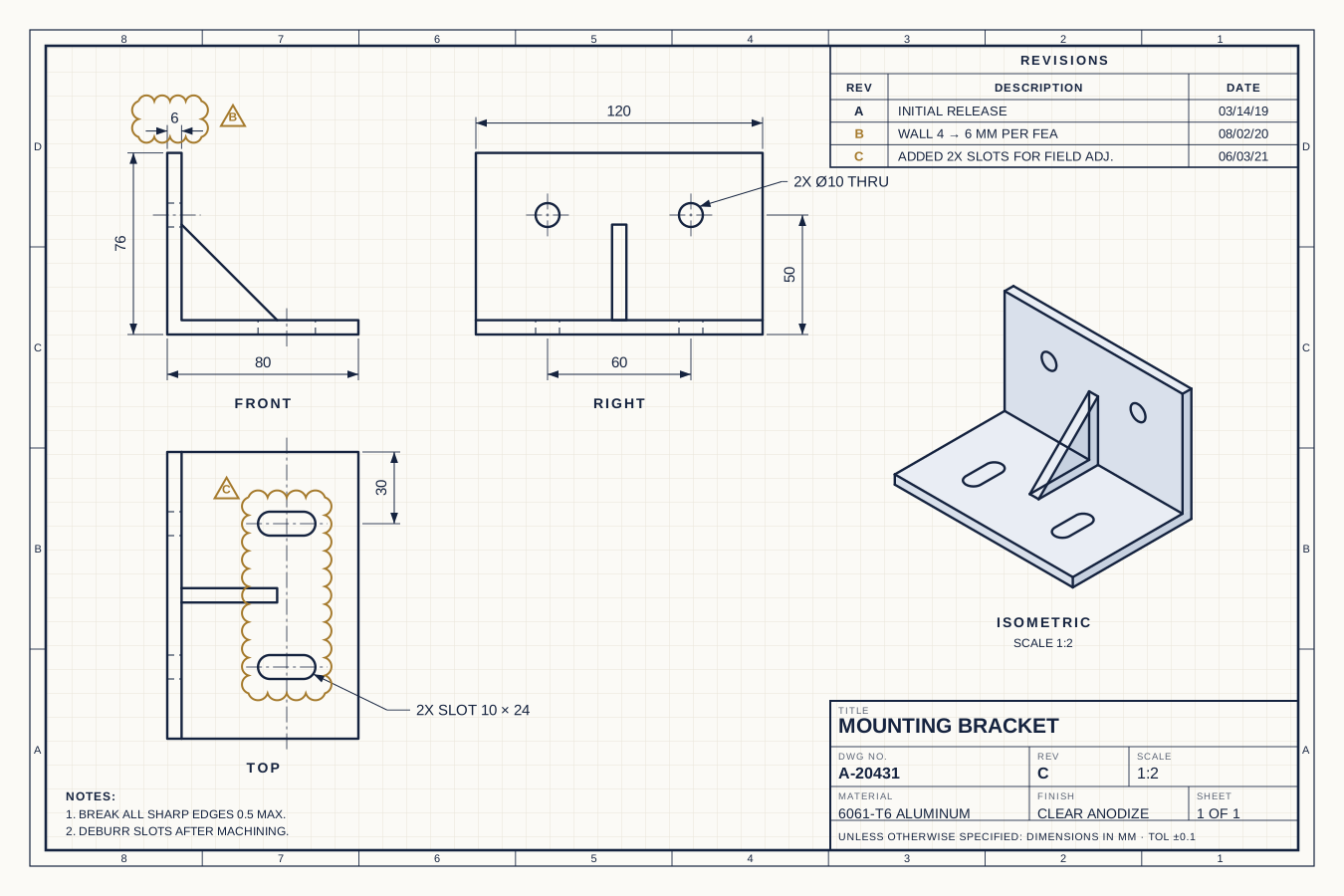
AI developers are building tools that create and modify engineering designs. Real CAD models, technical drawings and the revisions behind them can help train and evaluate those tools.
If your business designs machinery, products, molds or tooling, Archive Equity can help assess whether your existing records fit buyer requirements and guide you through a potential licensing deal.
- Machinery & equipment
- Product design
- Molds & dies
- Tooling
- Fabrication
- Mechanical engineering
- Architecture
- Product development
- No files or logins needed to start
- No obligation to license
Prefer to talk first? Book a 15-minute call
What makes your records valuable
Every design leaves a detailed record.
- Parts and assembliesReal 3D models and how components fit together, across whole product lines.
- Revisions and change ordersWhat changed between versions, and why. The reasoning behind each change is especially valuable.
- Drawings and specificationsDimensions, tolerances, materials and notes that turn a model into something you can build.
Fast Company
“AI companies are offering businesses up to $2 million for something their employees create every day.”
The records behind your designs
An engineering archive tells the whole story.
AI design tools learn from how real projects unfold, from the first requirement to the released drawing and every change after it. Your CAD files and project records already hold years of it.
Requirements
The customer spec, the brief and the constraints the design had to meet.
Models and drawings
Parts, assemblies and the drawings that define them.
Calculations and checks
Hand calculations, simulations, test results and design reviews.
Release and revisions
Released drawings, bills of materials and every engineering change after.
Also valuable: bills of materials, engineering change orders, quotes and cost estimates, manufacturing and inspection records, and the project emails and notes behind them.
- Seller-side onlyWe represent you. We never buy your data.
- Trusted de-identificationEstablished partners remove client and personal details.
- Your sign-off firstNothing leaves your systems until you approve.
- Paid on successNo upfront fees, ever.
How it works
We’re on your side of the table.
Buyers have their own calculators and their own contracts. Like a business broker, we work for the seller: we price what you have, take it to several buyers and negotiate the deal.
Your advisor team

Philip Wintermantle Misha Mayzenberg Ken James
Check your eligibility
About a minute. No files or logins.
Review call
15 minutes with Ken to confirm fit and check which designs you own and can license.
Prepare and market
Our partners remove client names and personal details. You choose which projects and files buyers see, and we take them to AI developers and data firms.
Negotiate and choose
We negotiate price, use, term and exclusivity. You see the offers side by side. Pick one, or walk away.
The broker difference
One offer, or several?
Many companies hear from just one buyer, once, and the offer looks fine because there’s nothing to compare it with. When several buyers bid for the same records, the final price can be substantially higher.
Our fee
No upfront fees.
We’re only paid when a deal closes.
Privacy
Built to protect your clients.
Buyers want to learn how good engineering gets done, not who it was for. Before any records are shared, our de-identification partners take client names, people and identifying project details out of drawings, file properties and notes.
In your systems
Drawing A-20431 · Rev C
- Client
- Ridgeline Pump Co.
- Project
- RP-200 pump skid retrofit
- Engineer
- Priya Patel, P.E.
- Date
- June 3, 2021
- Change note
- Wall 4 → 6 mm after FEA showed stress at the mounting holes. Added 2X slots for field adjustment.
What the buyer receives
Drawing D-1187 · Rev C
- Client
- Client 0142
- Project
- Project 0193
- Engineer
- Engineer 07
- Date
- Shifted: June 21, 2021
- Change note
- Wall 4 → 6 mm after FEA showed stress at the mounting holes. Added 2X slots for field adjustment.
Illustrative example. Highlighted details are replaced or removed. The engineering itself, what changed and why, is what buyers pay for.
- Client names, project names, engineer names and dates are removed or replaced in drawings, file properties and notes.
- We check your client contracts early to confirm which designs you own and are free to license.
- You choose which projects and files are included. You never hand over passwords, and you keep your files.
Who you’ll work with
A real person on your side.
One person runs your deal from first call to payment. Call directly or book a time.

FAQ
Common questions.
Why would anyone pay for CAD files?
AI developers are building tools that create and modify engineering designs. To be useful, those tools have to learn from real engineering work: real parts and assemblies, drawings with real tolerances, and the revisions that show how designs improve. That only exists inside companies like yours, so they pay to use it. You’ll know who the buyer is before you sign.
Do you need access to our CAD or PDM system?
Not to get started. The eligibility check needs no files or logins. If you decide to go ahead, we agree with you how files are exported, and nothing leaves your systems until you approve it. You never hand over passwords.
Who owns designs we made for clients?
It depends on your contracts. Work you designed for a client may belong to them, while your own products, standard parts and internal tooling are usually yours. We check this with you early, before anything is shared.
Could our designs end up with a competitor?
Buyers are AI developers, not manufacturers, and your agreement limits how the files can be used. Client names and identifying details are removed first. You decide what’s included, so you can start with older or discontinued designs and keep current products out.
What does it cost, and how long does it take?
Nothing upfront. We’re only paid when a deal closes, through a success fee agreed with you or a referral fee from a partner platform we introduce you to. Most deals take 2 weeks to 3 months from first call to payment.
Do we give up our files?
No. You keep your files and license a de-identified copy for an agreed use and term. Once a model has trained on it, that can’t be undone, so your agreement spells out exactly what each buyer may do.
Free, no obligation
Find out if your engineering records qualify.
Design archives like yours could be worth $200K to $2M.* A short eligibility check, with no files or logins needed to start and no obligation to license.